Lucas Sebastián, beneficiary of a UMH-NeurotechEU place: “Beyond the lectures, what I’d highlight most are the conversations with the professors and fellow students”
25 September 2026
This summer, Boğaziçi University hosted the course entitled “Robotic Rehabilitation and Brain-Computer Interface Applications”. Over two weeks — one online and one in-person in Istanbul — participants gained practical skills in musculoskeletal biomechanics and movement-impairing pathologies; mobile robotics and navigation; medical soft robotics and exoskeletons; wireless sensors; and brain-computer interfaces, along with their practical applications.
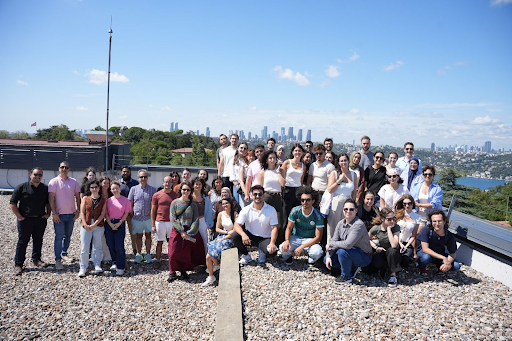
NeurotechEU students at the Course on Robotic Rehabilitation and BCI Applications | Can Yücesoy on LinkedIN
In the case of the Miguel Hernández University of Elche, the grant recipient attending the course was Lucas Sebastián Peris, a PhD student in the Industrial and Telecommunications Technologies Programme, who is conducting his doctoral research at the UMH Brain-Machine Interface Systems Lab. Surprised by the active role felines play in the daily life of the Turkish city, Lucas shares his experience during his days on the course:
Although cats can sleep for up to 12 hours a day, lazy is the last thing they are. I saw this firsthand during the NeurotechEU intensive course: Robotic Rehabilitation and BCI Applications, organised by Boğaziçi University (BOUN) in Istanbul. It is well known that the city is famous for the vast number of stray cats roaming its streets. You can find them anywhere: under the shade of a tree, right in the middle of the avenue, and, to my surprise, inside the university classrooms themselves. I’m not sure if these cats are part of the NeurotechEU community, but I’ve certainly never come across animals so genuinely invested in their personal growth and education before. So, lazy? Not a bit.
Curiosity killed the cat… but satisfaction brought it back
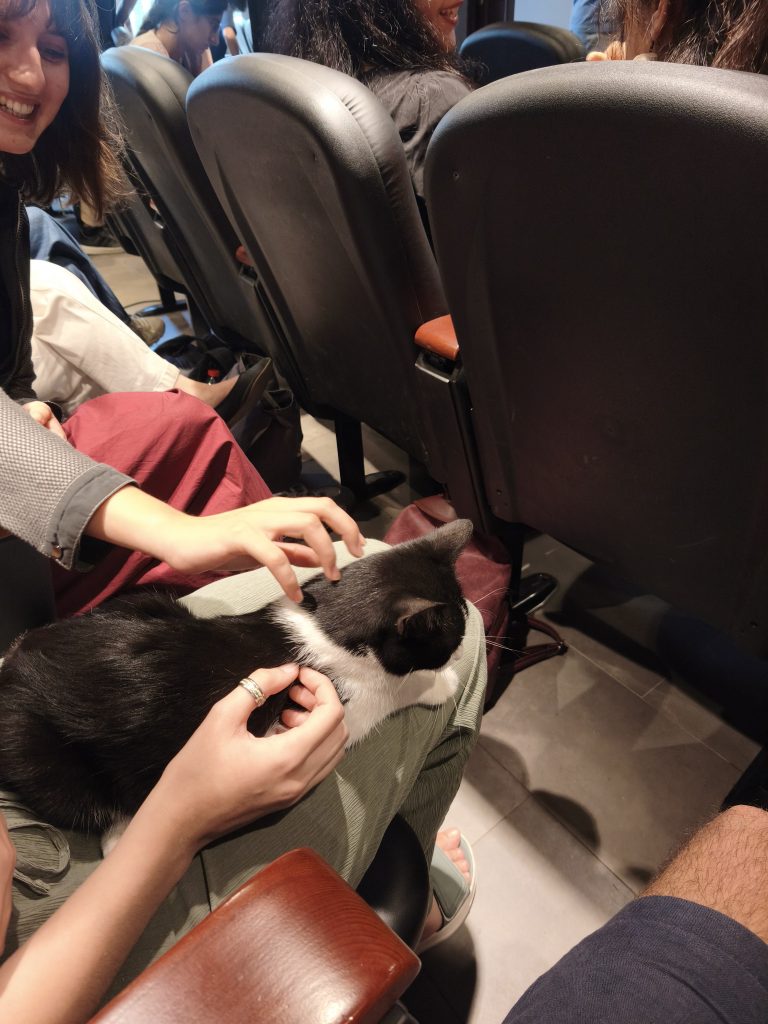 My big question was: why on earth do these felines want to sit in on seminars about Brain-Machine Interfaces? I can’t say for sure, but it was probably for a reason similar to mine: sheer curiosity to learn something new.
The course was structured around seminars, talks, and workshops, all linked in one way or another to the world of Brain-Machine Interfaces, biomechanics, neurorehabilitation, and even broader themes like entrepreneurship, innovation, and transdisciplinary teamwork.
However, beyond the lectures, what I’d highlight most are the conversations with the professors and fellow students — many of whom were established experts and professionals in their field — which made the coffee breaks almost as valuable as the classes themselves. Among them, I recall a particularly interesting conversation in a café near Taksim Station with two classmates, Anna and Thyra, whom I’d just met. We were discussing our master’s dissertations, and amid technicalities about digital twins, BCIs for assessing sleep quality, and mind-controlled exoskeletons, we laughed and enjoyed ourselves while the local stray cats nudged closer to pinch chips off our table.
Cats always land on their feet
I was navigating Istanbul like a fish out of water; I wasn’t used to being in such a massive, bustling city. Yet the cats moved around as if they owned the place. I realised it’s not about knowing every turn on the map, but about moving with confidence. They walk, run, and leap across pavements, building sites, structures, and crowds of people, and if they happen to stumble, they keep cool: they always land on their feet. I think that was precisely one of the greatest takeaways from the course: moving with confidence.
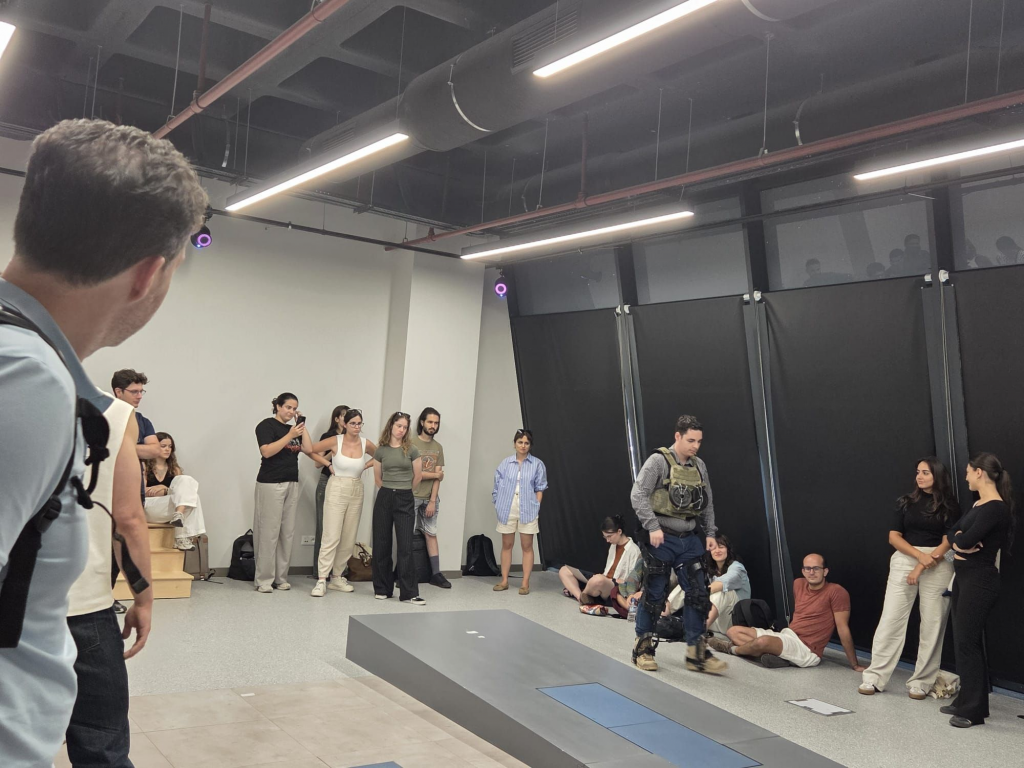
NeurotechEU students at the Course on Robotic Rehabilitation and BCI Applications | Can Yücesoy on LinkedIN
Through the various talks, we learned that success doesn’t necessarily mean being the single top authority in your field. Success is also found in accepting that we aren’t perfect, and that we must surround ourselves with the right people so that the collective outcome becomes far more valuable.
Fighting like cats and dogs? Far from it
Just as I was struck by the peaceful coexistence between stray cats and dogs, I hadn’t expected the NeurotechEU course to bring together such a diverse group of people, each with their own background, story, and career path. Beyond the technical knowledge I gained over those days, what I cherish most are the relationships and friendships I formed during my stay. This course was an incredible way to connect with like-minded individuals who share common interests and the same drive to keep learning.
Now that I’m back in Spain, I intend to put the Istanbul cat philosophy into practice: feed my curiosity, move with confidence, and keep building connections with the people around me.